
In a world where almost every moment can be captured with a smartphone, photography and videography have become a part of everyday life. We take pictures of birthdays, sunsets, food, friends, travels, celebrations, and even simple moments that may seem ordinary at the time. But there is a big difference between simply taking a picture and creating an image that makes someone stop, feel something, and remember a moment.Photography and videography are not only about expensive cameras, lenses, or complicated editing software. At their heart, they are about observation and storytelling. A camera is simply a tool. The real creativity comes from the person behind it—the way they notice light, expressions, emotions, movement, colours, and small details that others might miss.
Photography: Freezing a Moment in Time

HIMALAYAN 411
Photography has a unique power: it can freeze a single moment forever. A smile, a candid expression, a crowded street, a quiet landscape, or the excitement on someone’s face can become a memory that lasts for years. This is what makes photography so meaningful. photography starts with understanding what you want the viewer to notice. Composition plays an important role here. The position of the subject, the background, the use of empty space, leading lines, symmetry, and framing can completely change the feeling of an image. Even a simple subject can look interesting when it is photographed from the right angle.
Lighting is equally important. Natural light can create a soft and emotional feeling, while strong light can create contrast and drama. Sometimes, the best photograph is not taken in perfect conditions. It is created by understanding the available light and using it creatively.
But technical knowledge alone cannot make every photograph special. A technically perfect image can still feel empty if there is no emotion behind it. The photographs people remember are often the ones that make them feel something.
Videography: When Moments Start Moving
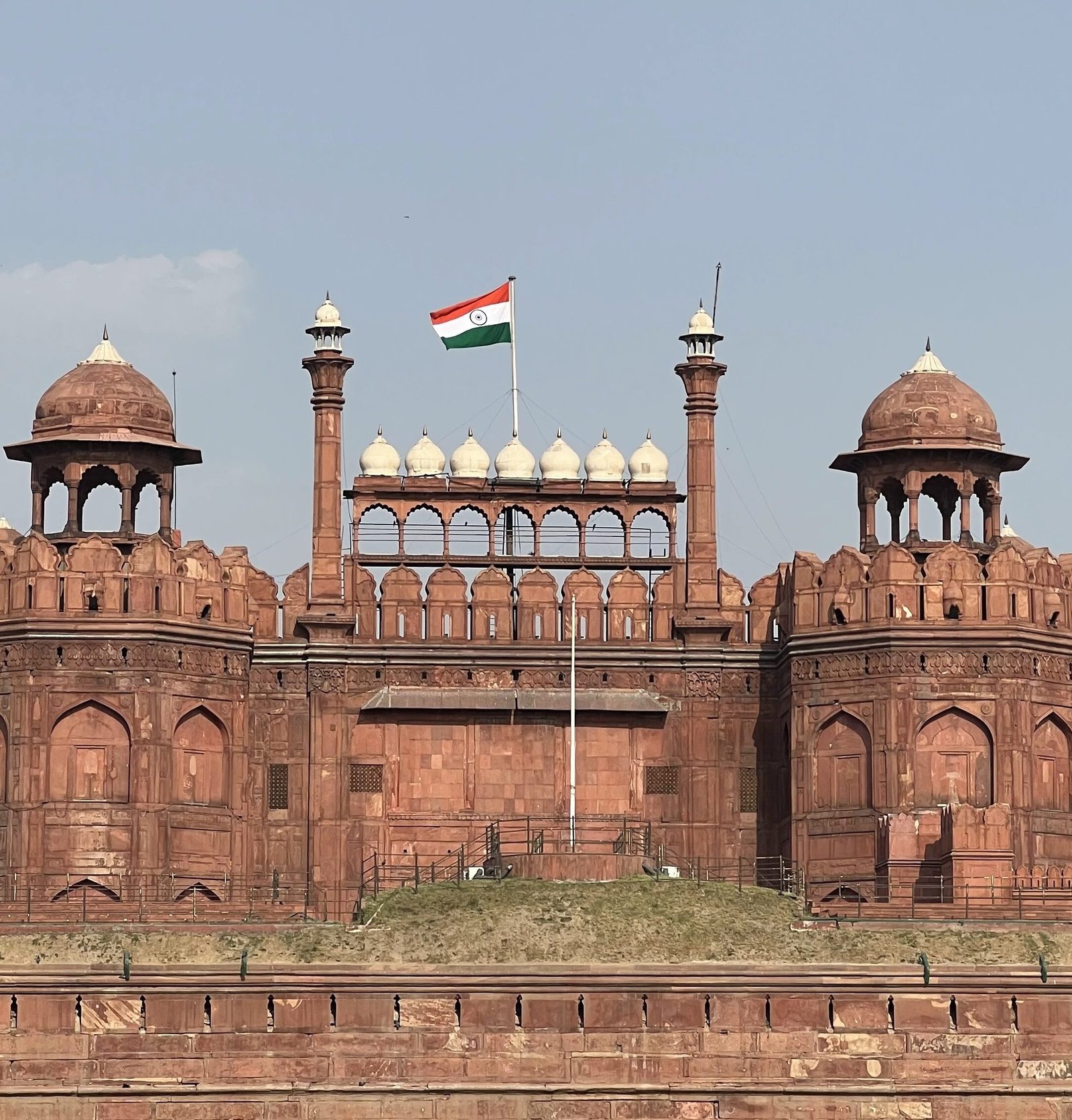
If photography captures a moment, videography allows that moment to breathe, move, and develop into a story. Video combines visuals, movement, sound, music, dialogue, and editing to create an experience.
Think about a wedding video. It is not just a collection of clips showing people at an event. A well-made wedding film captures the nervous excitement before the ceremony, the emotions of the family, the laughter between friends, and the small candid moments that happen in between. Years later, watching that video can bring back not only the visuals but also the sounds and emotions of the day.
The same principle applies to travel films, advertisements, documentaries, short films, social media reels, and business videos. Every video needs some kind of story, even if that story is very simple. What happens first? What changes? What should the audience feel? These questions are often more important than simply asking what camera should be used.
.
The Importance of Storytelling
One of the biggest lessons in visual content is that people connect with stories more than with technical perfection. A story gives a photograph or video a purpose. For example, imagine two photographs of a person sitting near a window. One is simply a well-composed portrait. The other captures the person looking outside while holding an old photograph, with soft evening light falling across their face. The second image immediately creates curiosity. Who is in the old photograph? What is the person thinking about? What happened before this moment?
That is the power of storytelling. Sometimes, you do not need to explain everything. A good visual can make the audience ask questions and create their own interpretation.For photographers and videographers, this means learning to observe people and situations rather than only focusing on equipment. Pay attention to gestures, expressions, relationships, surroundings, and unexpected moments. Often, the most powerful shot is the one that was not planned.
From Camera to Final Frame
The creative process does not end when the shutter is pressed or the recording button is stopped. Editing is where many ideas come together.
In photography, editing can improve exposure, contrast, colours, shadows, highlights, and composition. The goal should not always be to make an image look heavily edited. Sometimes, subtle adjustments are enough to bring out the original character of the photograph.
Videography involves an even larger editing process. Hundreds of clips may need to be selected and arranged into a meaningful sequence. Music, sound effects, colour grading, transitions, text, and pacing all influence how the final video feels.
Good editing is often about knowing what to remove. Not every beautiful shot needs to be included. A strong editor understands that every frame should contribute something to the story. The final result should feel natural rather than overloaded with effects.
Photography and Videography in the Digital Age
Social media has changed the way visual content is created and consumed. Platforms such as Instagram, YouTube, and other digital channels have made photography and videography accessible to almost everyone. A person with a phone and a creative idea can now reach an audience across the world.
This has created exciting opportunities for creators, brands, businesses, and individuals. A small business can introduce its products through a short video. A traveller can document an experience. A filmmaker can share a short film. A photographer can build a portfolio without needing a traditional studio.
At the same time, the huge amount of content being created every day makes originality more important. People scroll quickly, so visuals need to communicate something almost instantly. This does not mean everything has to be flashy. Sometimes, a simple, authentic photograph or honest video can stand out precisely because it feels real.
Learning the Craft
The best way to improve in photography and videography is to keep creating. You do not need to wait until you own the most expensive camera. Start with whatever equipment you have and learn how to use it well.
Experiment with different angles. Photograph the same subject at different times of the day. Try wide shots, close-ups, and unusual perspectives. Shoot people when they are naturally interacting rather than always asking them to pose. For video, experiment with camera movement, shot sizes, natural sound, and different editing rhythms.
Most importantly, review your own work. Ask yourself what works, what feels weak, and what you would do differently next time. Inspiration can come from films, advertisements, photographers, music videos, travel content, or even everyday life. The more you observe, the more your visual language develops.
The Human Side of Visual Storytelling
Behind every photograph or video is a human experience. That is why communication and patience matter just as much as technical skills.
When photographing people, making them comfortable can result in more natural expressions. When filming an event, being patient can help you capture moments that cannot be recreated. Understanding the subject and respecting the people involved can make a major difference.
Photography and videography also teach us to slow down and notice things. In everyday life, we often move from one task to another without paying attention to small details. A camera encourages us to look again—to notice the way sunlight falls on a wall, the expression on someone’s face, the movement of people on a street, or the atmosphere of a particular place.
Final Thoughts
Photography and videography are much more than creative hobbies or technical professions. They are ways of preserving memories, communicating ideas, documenting reality, and telling stories without always needing words.
The camera may capture the image, but the photographer creates the perspective. The camera may record the footage, but the videographer shapes it into a story. Equipment can improve what we create, but curiosity, observation, patience, emotion, and practice are what give visual work its personality.
In the end, the most valuable skill is not knowing how to use every button on a camera. It is learning how to see. Once you start looking at ordinary moments differently, you begin to find stories everywhere—and that is where the real art of photography and videography begins.